You must be logged in to submit the form.
Delivering the steel you need, with the quality you expect.


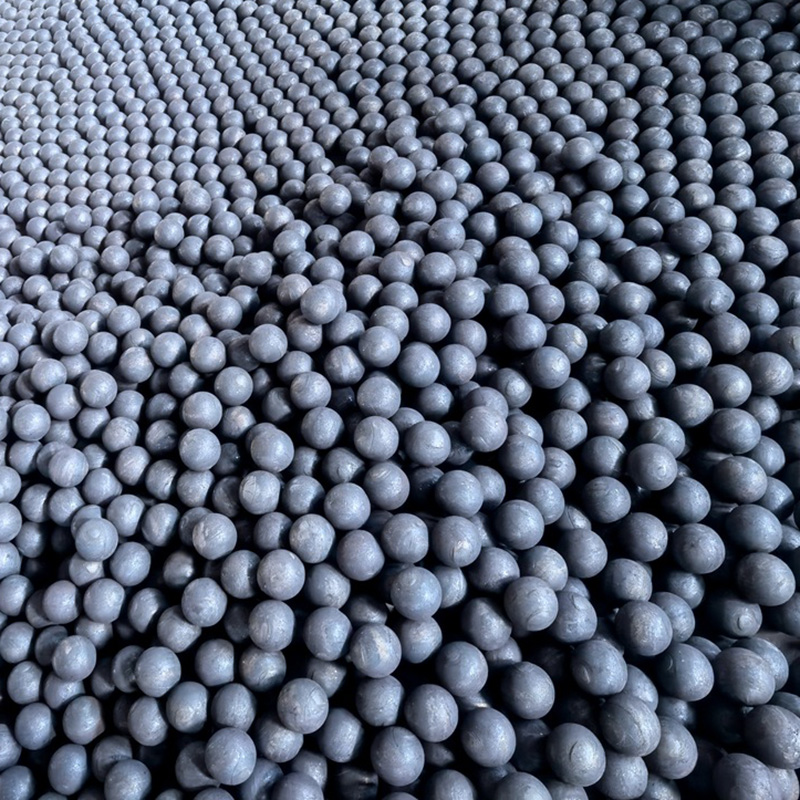
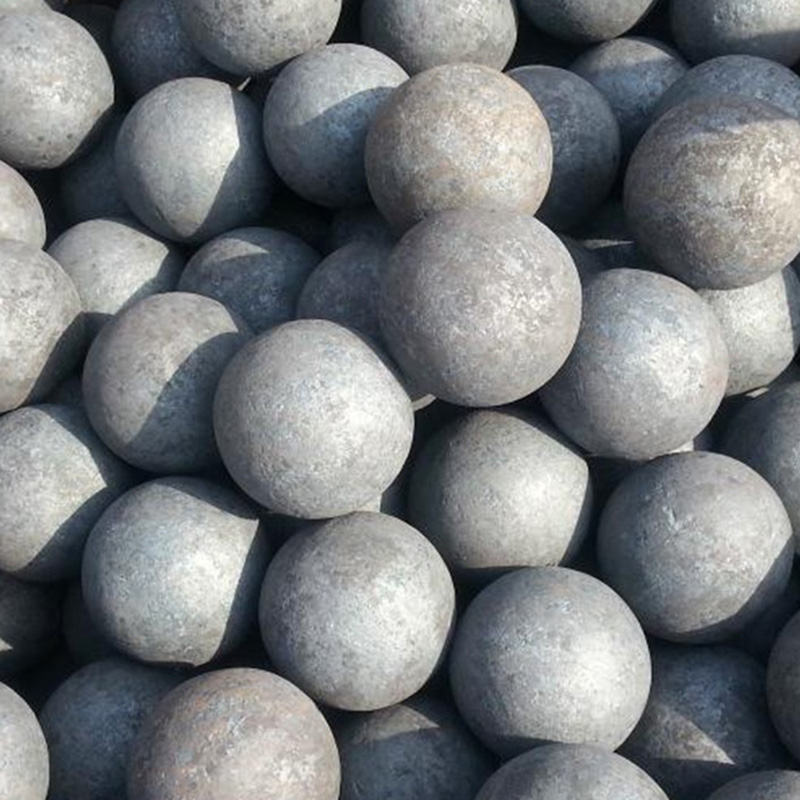
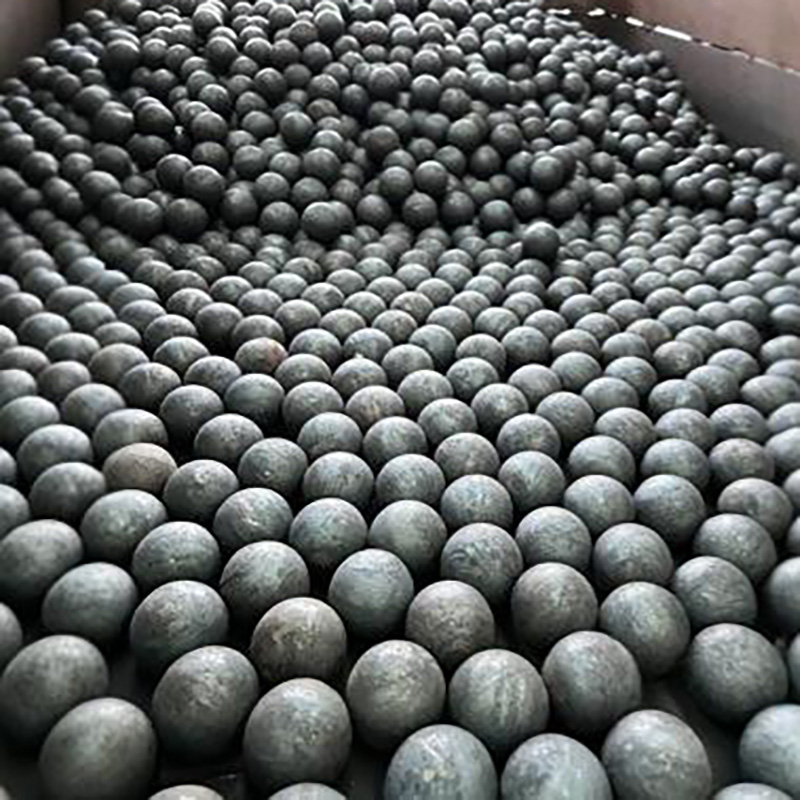
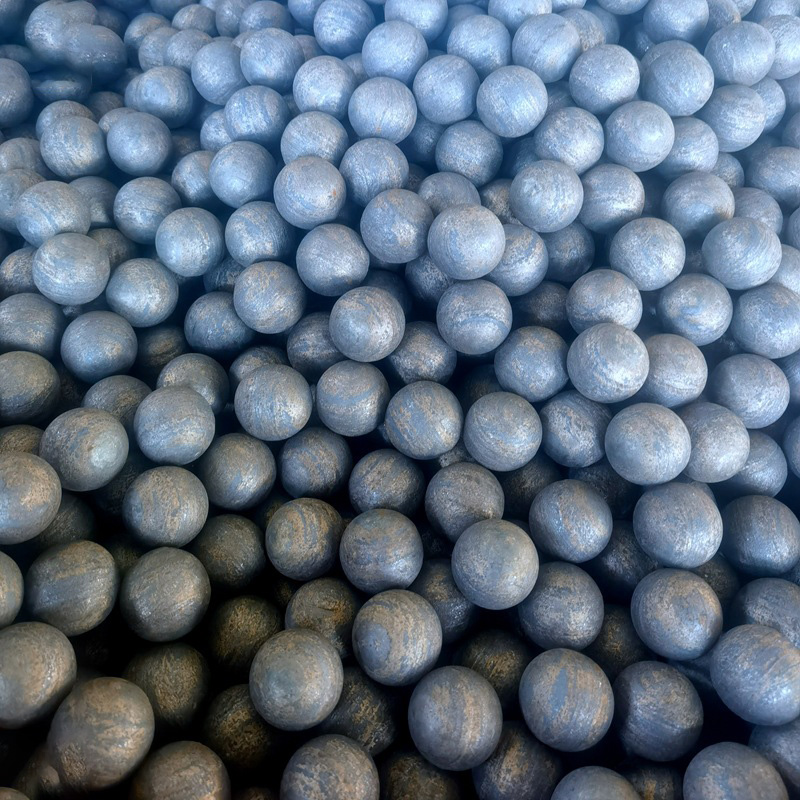
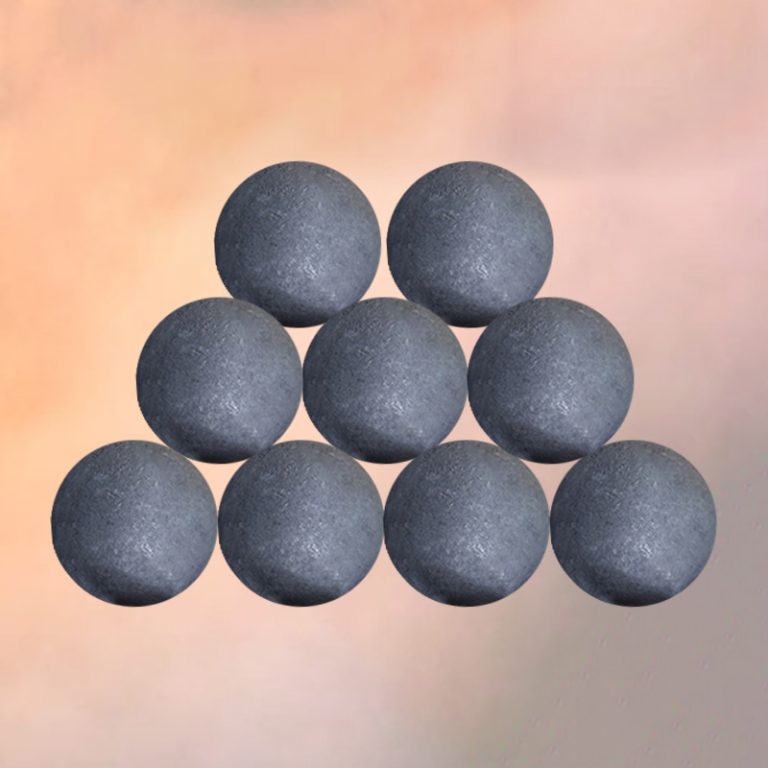
100mm Wear Resistant Steel Grinding Balls – Mill Balls for Mineral Processing Ball Mills
PRODUCT PARAMETERS
Description
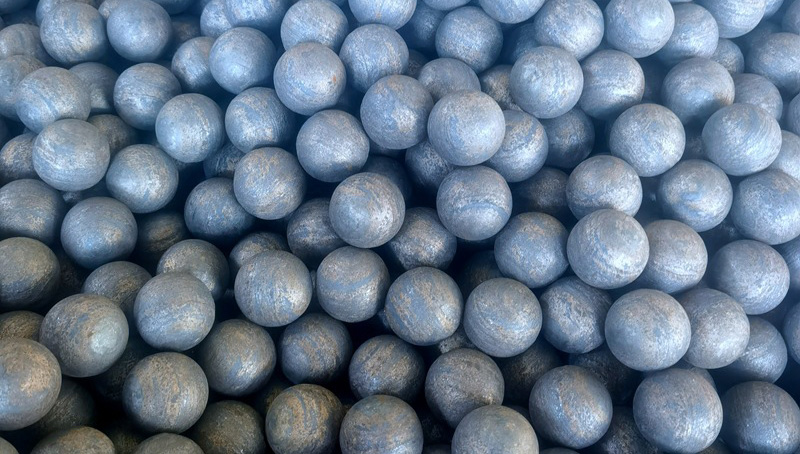
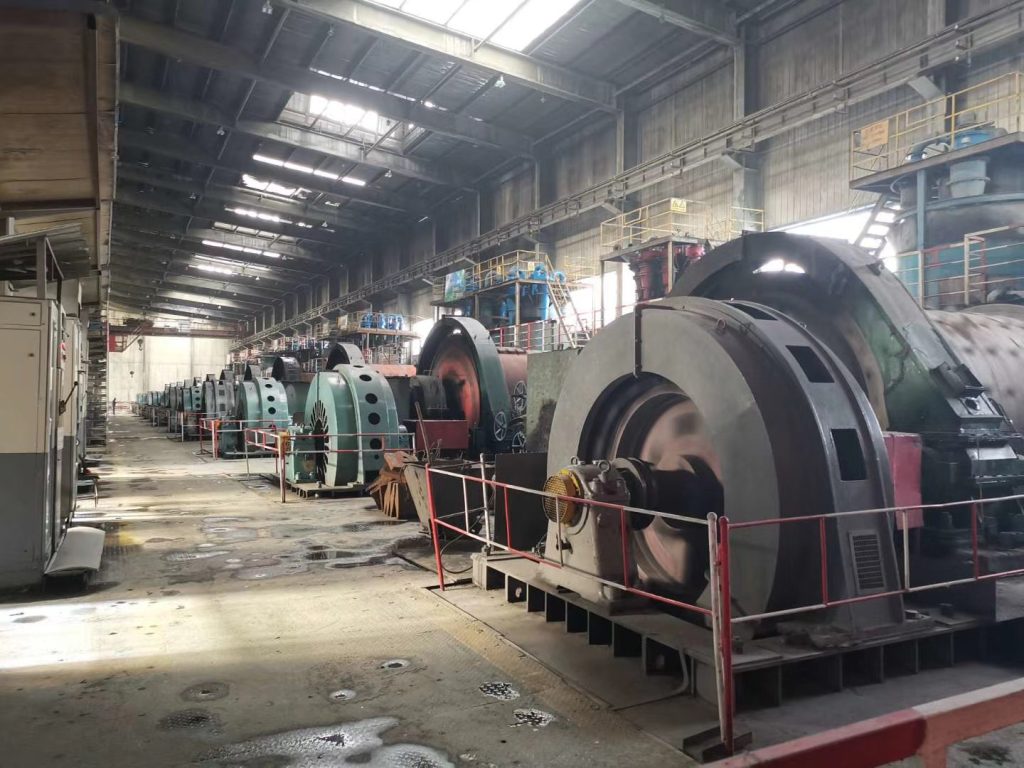
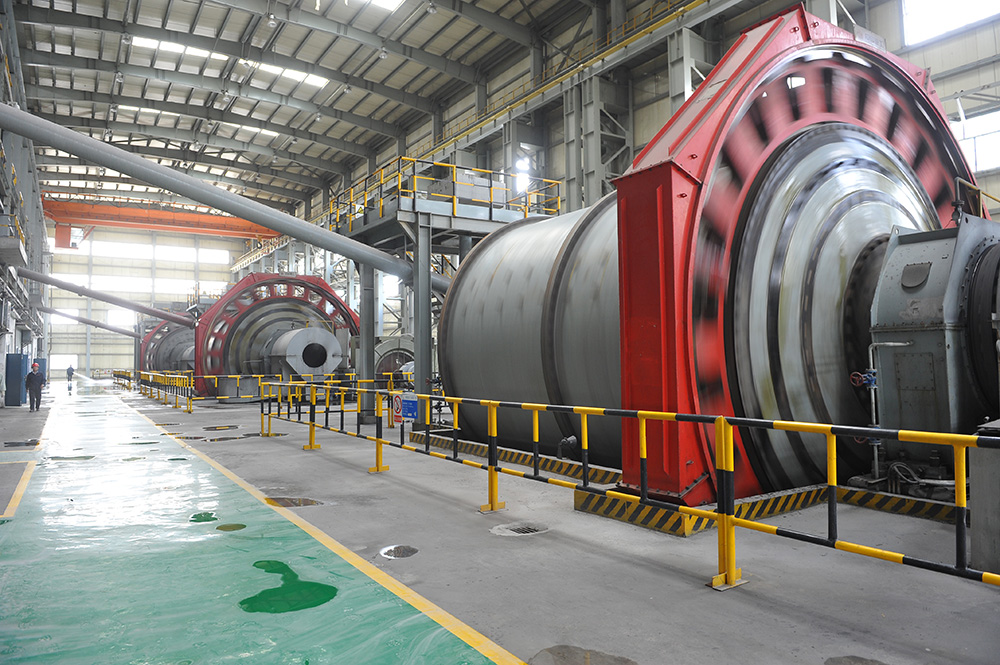
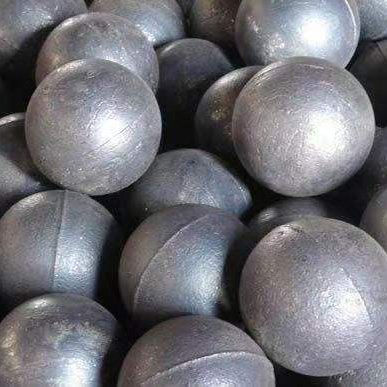
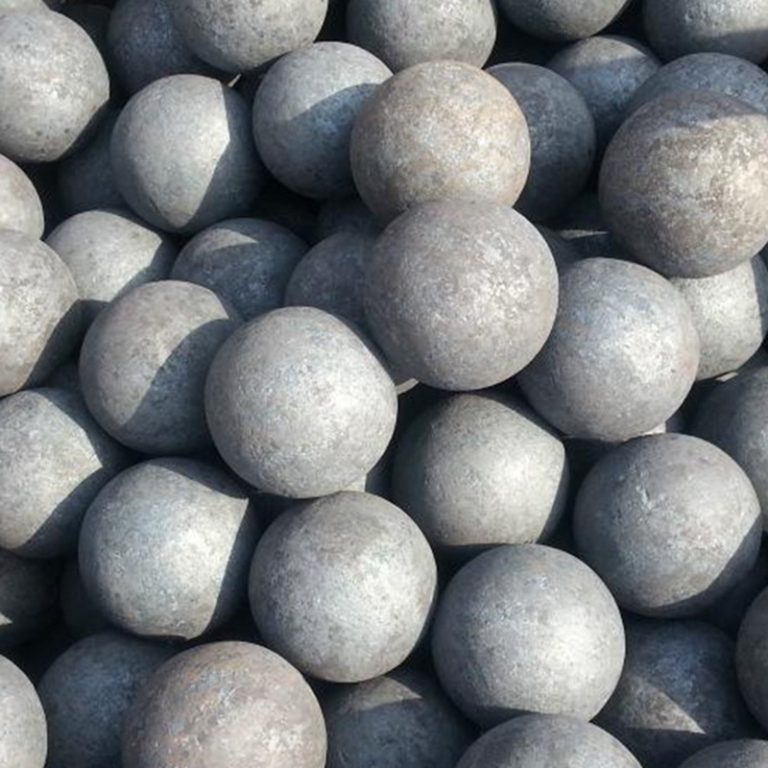
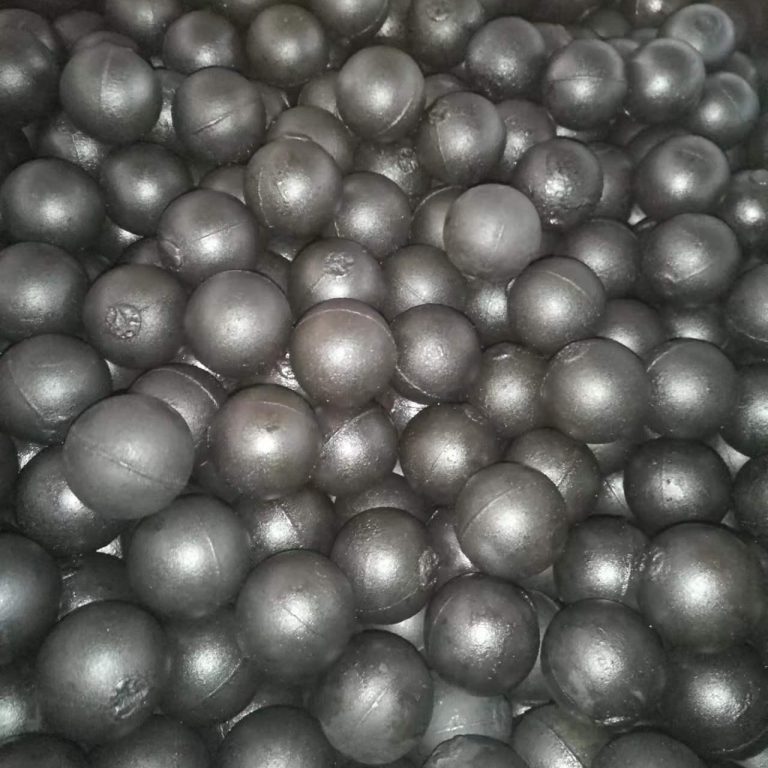
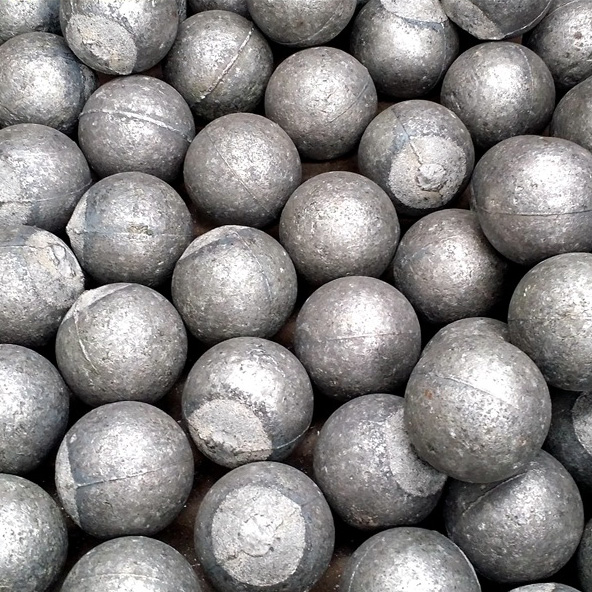
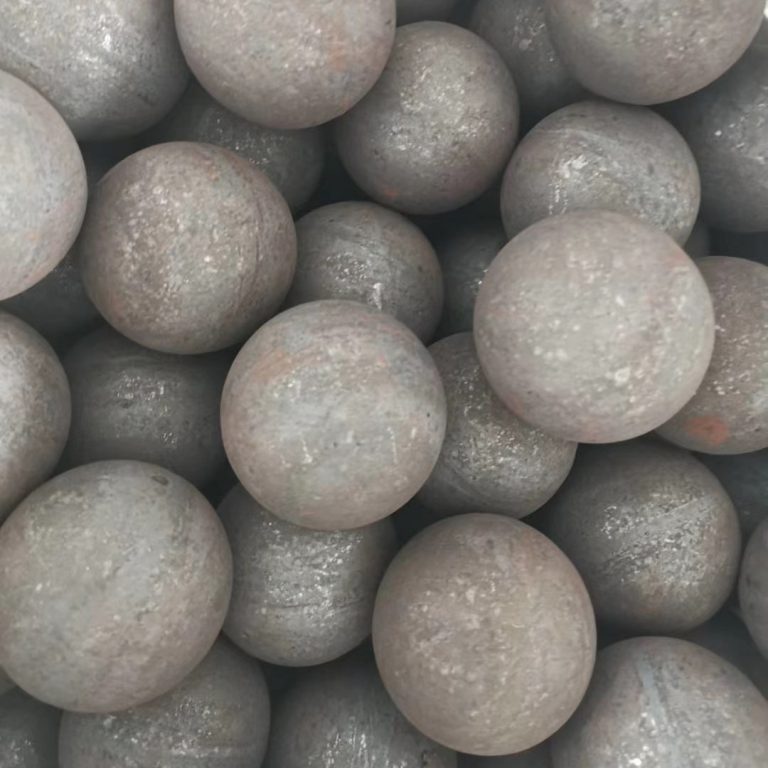
Forged steel balls have high volume hardness, dense structure, and maintain their shape without breaking. They are ideal for grinding operations in industries like metal mining and thermal power plants, especially in semi-autogenous and ball mills
I. Product Overview
Our forged steel balls are manufactured using high-quality alloy steel sourced from leading steel mills. Through fully automated production processes, we ensure precise dimensions, perfect roundness, high hardness, and superior mechanical properties. These steel balls are designed to be wear-resistant, deformation-free, and crack-resistant, making them ideal for demanding industrial applications.
Diameter tolerance and roundness
| Diameter | 30 | 40 | 50 | 60 | 70 | 80 | 90 | 100 | 110 | 120 | 125 | 150 |
| Diameter roundness(mm) | ±2 | +3,-2 | +4,-3 | +5,-4 | ||||||||
| Roundness(%) | ≤2 | ≤3 | ≤4 | ≤5 | ||||||||
Technical specification
| Material Gr. | Breakage rate | Hardness(HRC) | Impact value(J/cm²) | Drop Test | Micro structure |
| 45# | <1% | ≥45 | ≥12 | ≥8000 | M+C |
| 60Mn | <1% | ≥55 | ≥12 | ≥12000 | M+C |
| 65Mn | <1% | ≥58 | ≥12 | ≥12000 | M+C |
| 70Mn | <1% | ≥60 | ≥12 | ≥12000 | M+C |
| 40Cr | <1% | ≥55 | ≥12 | ≥12000 | M+C |
| 70Cr2 | <1% | ≥58 | ≥12 | ≥12000 | M+C |
| B-2 | <1% | ≥58 | ≥12 | ≥15000 | M+C |
| B-3 | <1% | ≥60 | ≥12 | ≥15000 | M+C |
Chemical composition
| Material Gr. | C(%) | Si(%) | Mn(%) | Cr(%) | Cu(%) | Mo(%) | P(%) | S(%) | Ni(%) |
| 45# | 0.42-0.50 | 0.17-0.37 | 0.5-0.80 | 0-0.25 | 0-0.25 | 0-0.30 | 0-0.035 | 0-0.035 | 0-0.30 |
| 60Mn | 0.57-0.65 | 0.17-0.37 | 0.70-1.0 | 0-0.25 | 0-0.25 | 0-0.30 | 0-0.035 | 0-0.035 | 0-0.30 |
| 65Mn | 0.62-0.70 | 0.17-0.37 | 0.90-1.0 | 0-0.25 | 0-0.25 | 0-0.30 | 0-0.035 | 0-0.035 | 0-0.30 |
| 70Mn | 0.67-0.75 | 0.17-0.37 | 0.90-1.20 | 0-0.25 | 0-0.25 | 0-0.30 | 0-0.035 | 0-0.035 | 0-0.30 |
| 40Cr | 0.37-0.45 | 0.17-0.37 | 0.50-0.8 | 0.80-1.1 | 0-0.25 | 0-0.30 | 0-0.035 | 0-0.035 | 0-0.30 |
| 70Cr2 | 0.65-0.75 | 0.20-0.30 | 0.75-0.90 | 0.55-0.70 | 0-0.25 | 0-0.30 | 0-0.030 | 0-0.030 | 0-0.30 |
| B-2 | 0.70-0.80 | 0.17-0.37 | 0.70-0.80 | 0.50-0.60 | 0-0.25 | 0-0.30 | 0-0.035 | 0-0.035 | 0-0.30 |
| B-3 | 0.58-0.66 | 1.2-1.6 | 0.65-0.80 | 0.70-0.90 | 0-0.25 | 0-0.30 | 0-0.035 | 0-0.035 | 0-0.30 |
II. Application Areas
Our forged steel balls are widely used in various industries, including:
- Metal mining (gold, copper, iron, molybdenum, and alumina ores)
- Cement plants
- Power plants
- Steel slag processing plants
- Quartz sand plants
III. Production Process
The manufacturing process includes the following steps:
- Raw material inspection
- Cutting
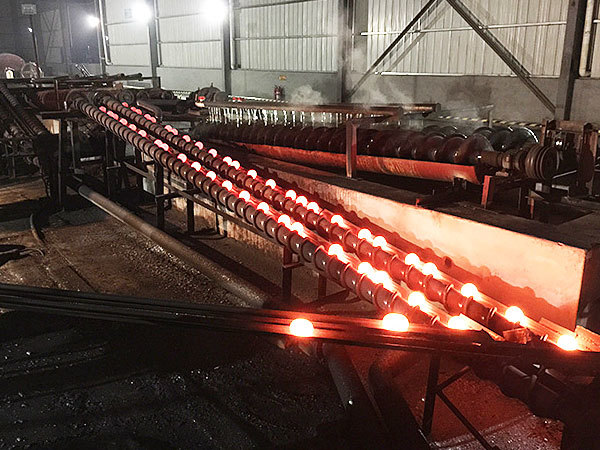
- Heating in a medium-frequency furnace
- Forging into spherical shapes
- Quenching for hardness enhancement
- Tempering for improved toughness
- Rigorous quality testing
- Packaging
IV. Key Features
- Low Breakage Rate: Breakage rate is less than 1%, with breakage resistance more than double that of conventional cast balls.
- High Impact Toughness: Impact toughness exceeds 12 J/cm², ensuring durability under heavy impact conditions.
- Uniform Hardness: Surface hardness ranges from 58-65 HRC, while bulk hardness ranges from 55-63 HRC, with an even hardness gradient.
- Deformation-Free: Maintains perfect roundness and shape even under extreme conditions.
- Cost-Effective: Dense microstructure and superior performance lead to significant cost savings over time.
V. Quality Assurance
To ensure the highest quality standards, our steel balls undergo rigorous testing, including:
- Hardness testing
- Impact resistance testing
- Metallographic inspection for internal integrity
- Core hardness testing through sampling
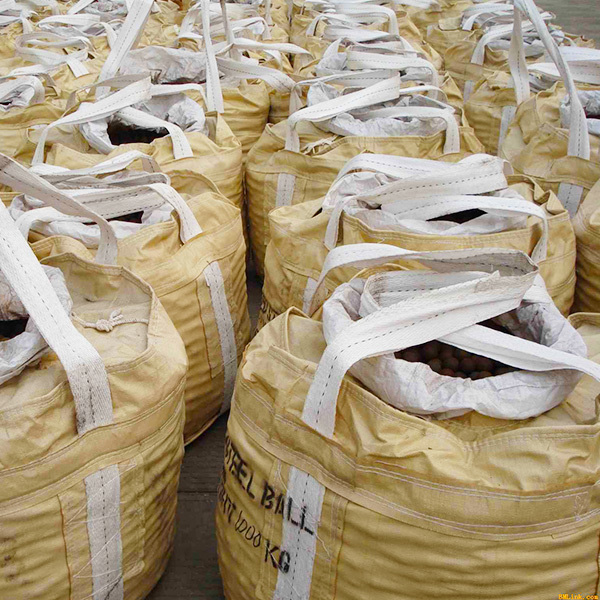
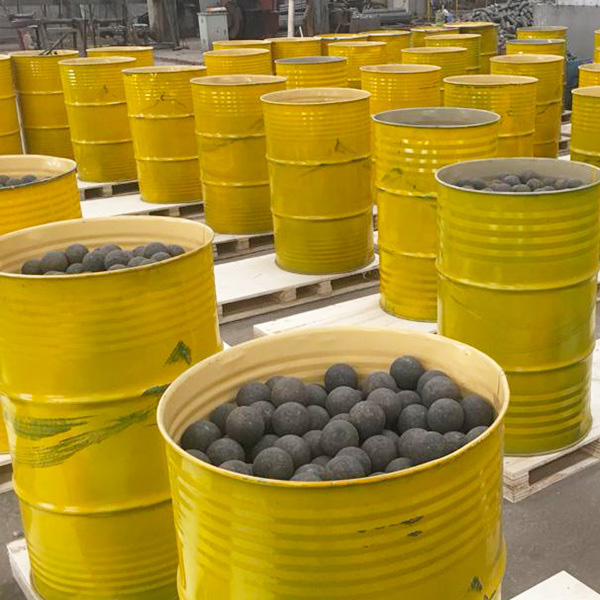
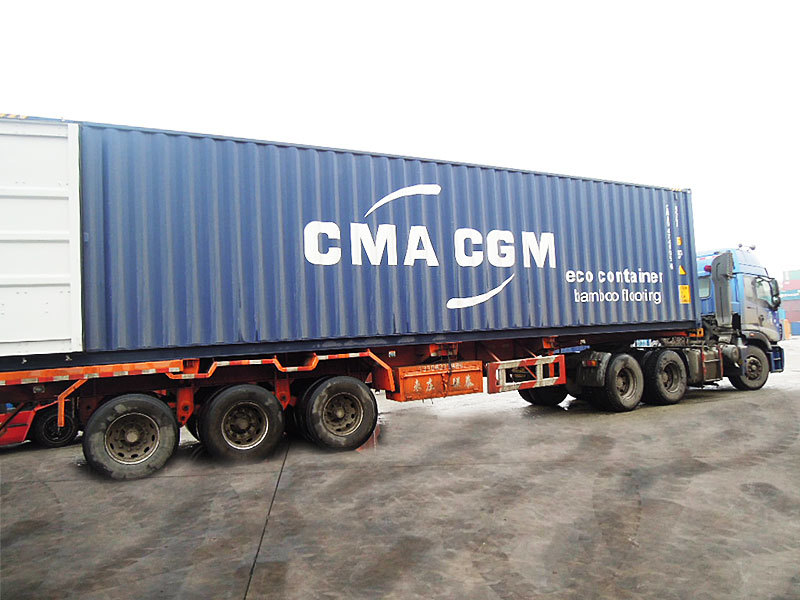
REQUEST A QUOTE
Contact Info
-
Mobile: +86 155 0650 6266
-
Email: sales@welsteels.com
-
WhatsApp: +86 155 0650 6266
< class="ct-module-title">
Trending now