You must be logged in to submit the form.
Delivering the steel you need, with the quality you expect.


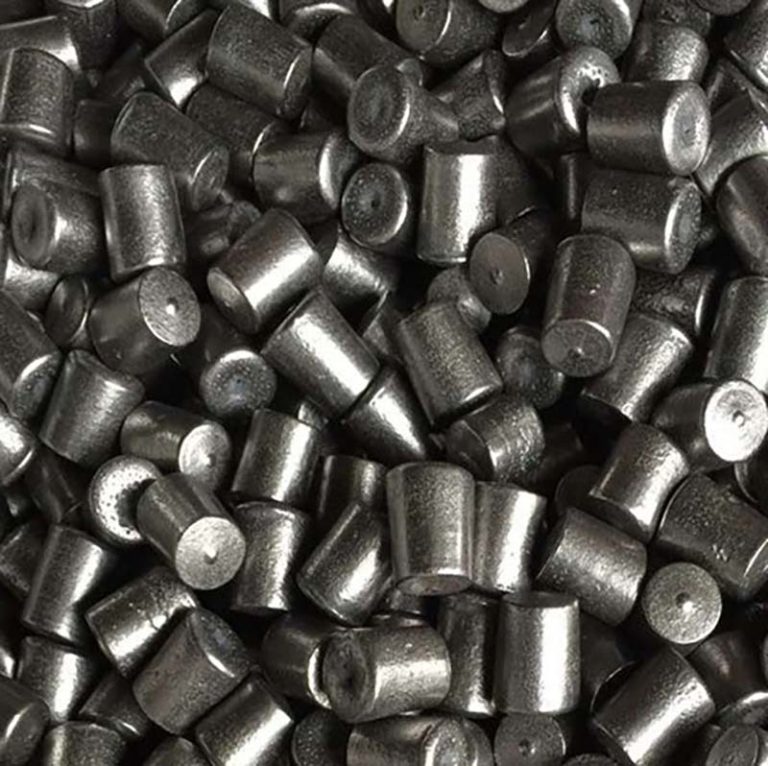
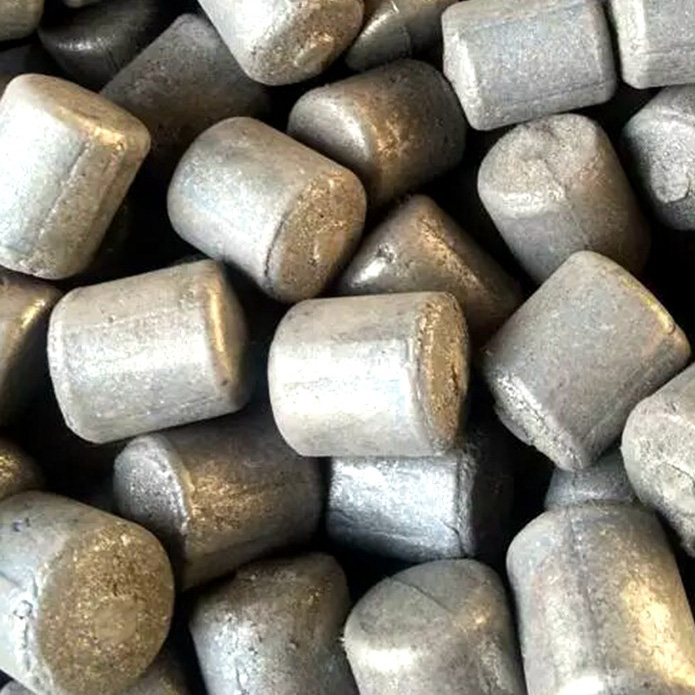
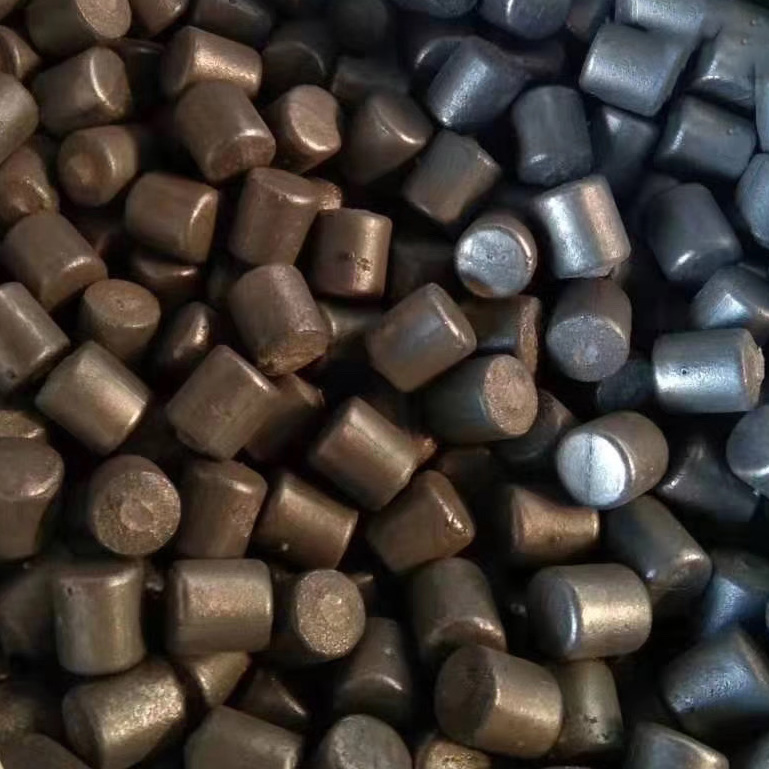
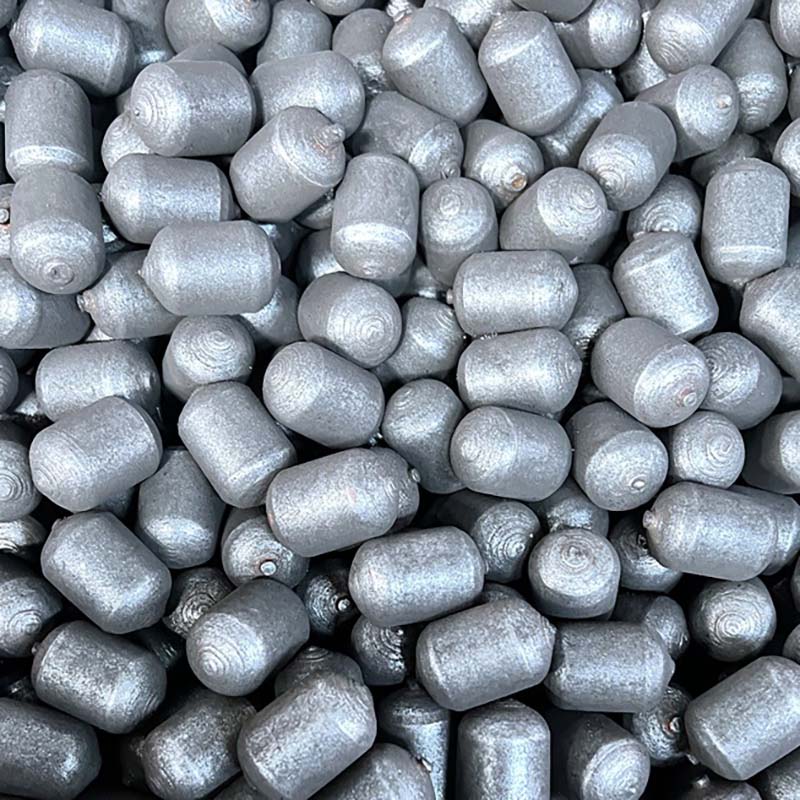
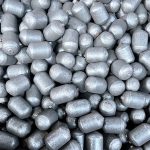
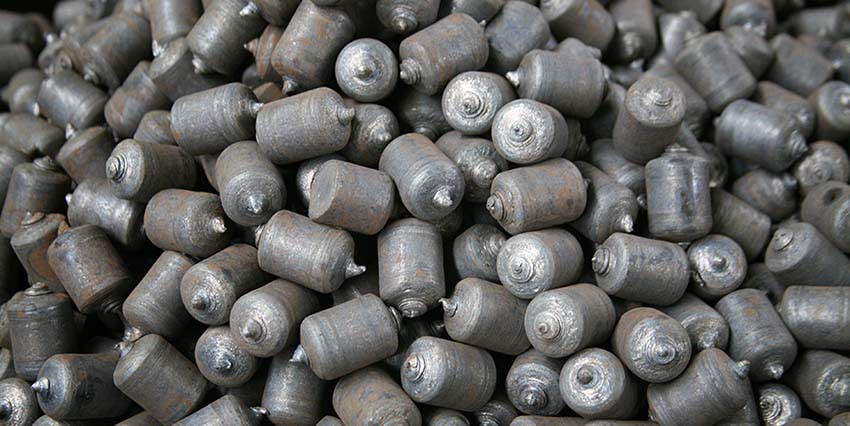
Hot Rolling Steel Cylpebs Forged Cylpebs
PRODUCT PARAMETERS
Description
Size and Tolerance:
| Size (mm) | 20×30 | 25×35 | 30×40 | 35×45 | 40×50 | 45×55 | 50×60 | 55×65 | 60×70 |
| Diameter tolerance(mm) | ±1 | ||||||||
| Length tolerance(mm) | ±2 | ||||||||
Technical specification:
Advantages
- Increased Surface Contact: Their cylindrical shape provides more linear contact with material, improving grinding efficiency.
- Enhanced Durability: The hot rolling and heat treatment process results in high hardness (HRC 60–65) and impact toughness, reducing wear rates.
- Lower Consumption: Longer operational lifespan translates to cost savings in mining and cement industries.
| Material | Breakage rate | Hardness(HRC) | Impact value(J/cm2 ) | Drop times(times) | Micro structure |
| 45# | <1% | ≥45 | ≥12 | ≥8000 | M+C |
| 60Mn | <1% | ≥55 | ≥12 | ≥12000 | M+C |
| 65Mn | <1% | ≥58 | ≥12 | ≥12000 | M+C |
| B-2 | <1% | ≥60 | ≥12 | ≥15000 | M+C |
Chemical composition
| Material | C(%) | Si(%) | Mn(%) | Cr(%) | Cu(%) | Mo(%) | P(%) | S(%) | Ni(%) |
| 45# | 0.42-0.50 | 0.17-0.37 | 0.5-0.80 | 0-0.25 | 0-0.25 | 0-0.30 | 0-0.035 | 0-0.035 | 0-0.30 |
| 60Mn | 0.57-0.65 | 0.17-0.37 | 0.70-1.0 | 0-0.25 | 0-0.25 | 0-0.30 | 0-0.035 | 0-0.035 | 0-0.30 |
| 65Mn | 0.62-0.70 | 0.17-0.37 | 0.90-1.0 | 0-0.25 | 0-0.25 | 0-0.30 | 0-0.035 | 0-0.035 | 0-0.30 |
| B-2 | 0.70-0.80 | 0.17-0.37 | 0.70-0.80 | 0.50-0.60 | 0-0.25 | 0-0.30 | 0-0.035 | 0-0.035 | 0-0.30 |
Manufacturing Process
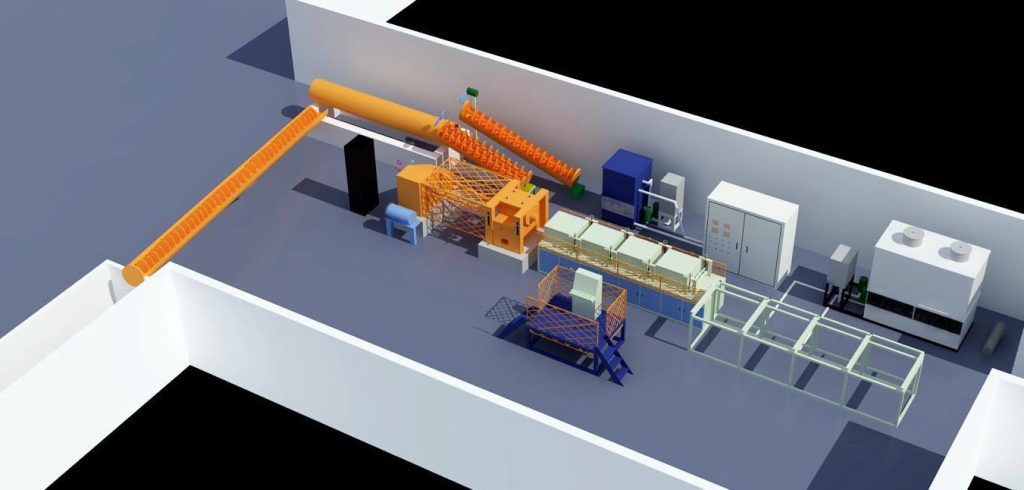
Heating: Steel billets are heated to 1,100–1,200°C to reach a malleable state.
Hot Rolling: The heated steel is passed through rollers to form cylindrical shapes with rounded edges, ensuring uniformity.
Heat Treatment: After rolling, Cylpebs undergo quenching (rapid cooling) and tempering to optimize hardness (for wear resistance) and toughness (to withstand impact).
Applications:
Mining: Grinding ores (e.g., copper, gold, iron) in ball mills.
Cement Production: Crushing clinker and raw materials.
Coal Processing: Pulverizing coal in thermal power plants.
Chemical Industry: Fine grinding of minerals and pigments.
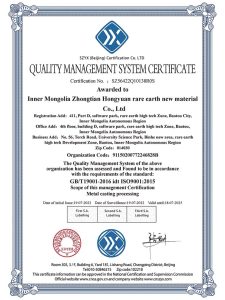
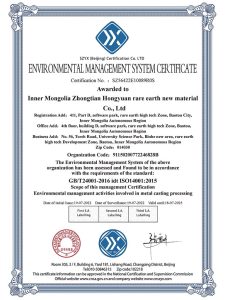
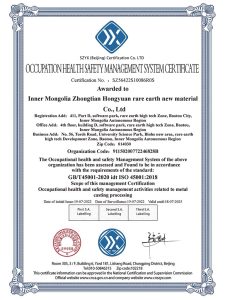
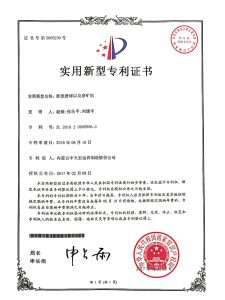
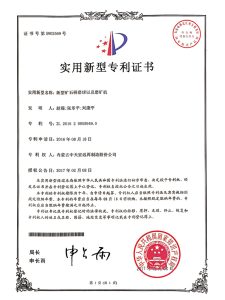
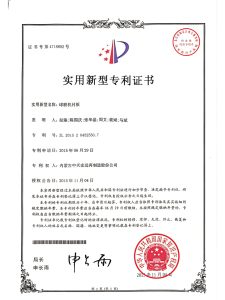
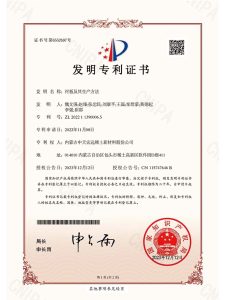
Certificates
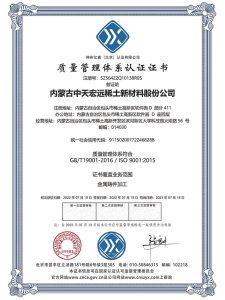
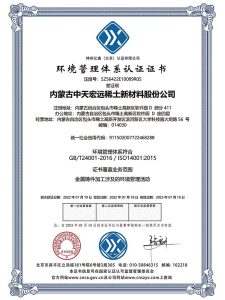
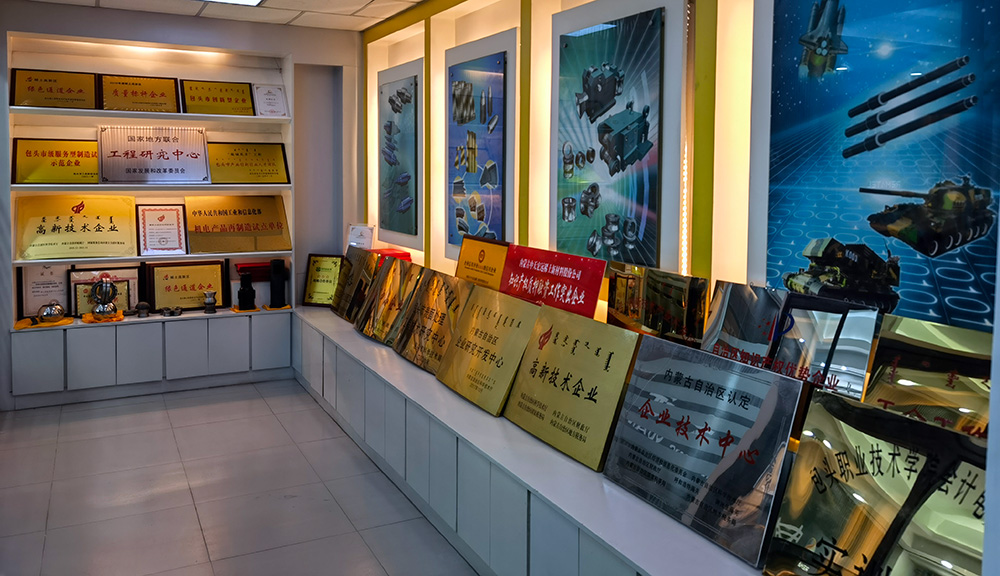
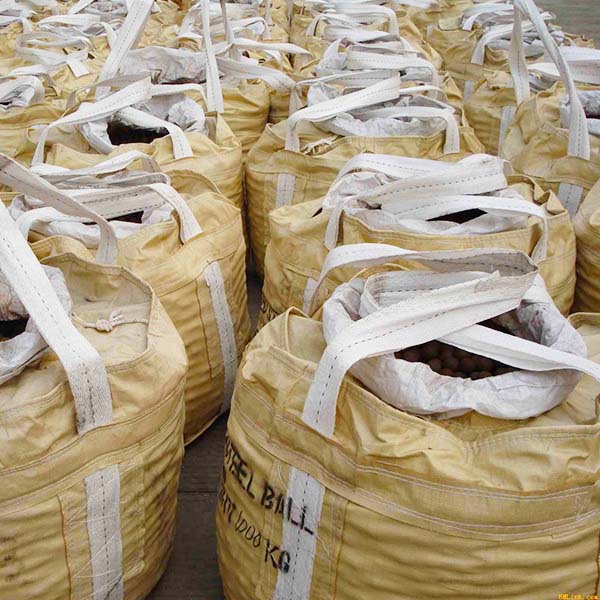
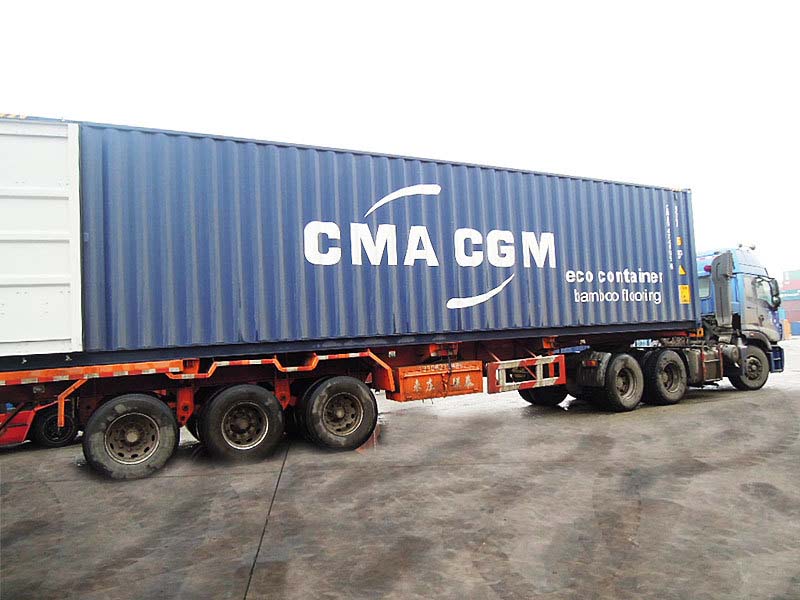
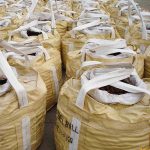
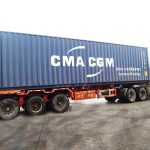
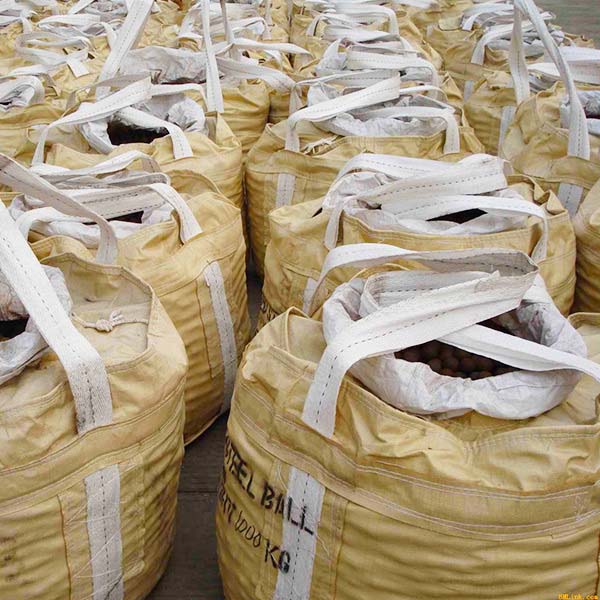
Packing & Shipping
REQUEST A QUOTE
Contact Info
-
Mobile: +86 155 0650 6266
-
Email: sales@welsteels.com
-
WhatsApp: +86 155 0650 6266