You must be logged in to submit the form.
Delivering the steel you need, with the quality you expect.


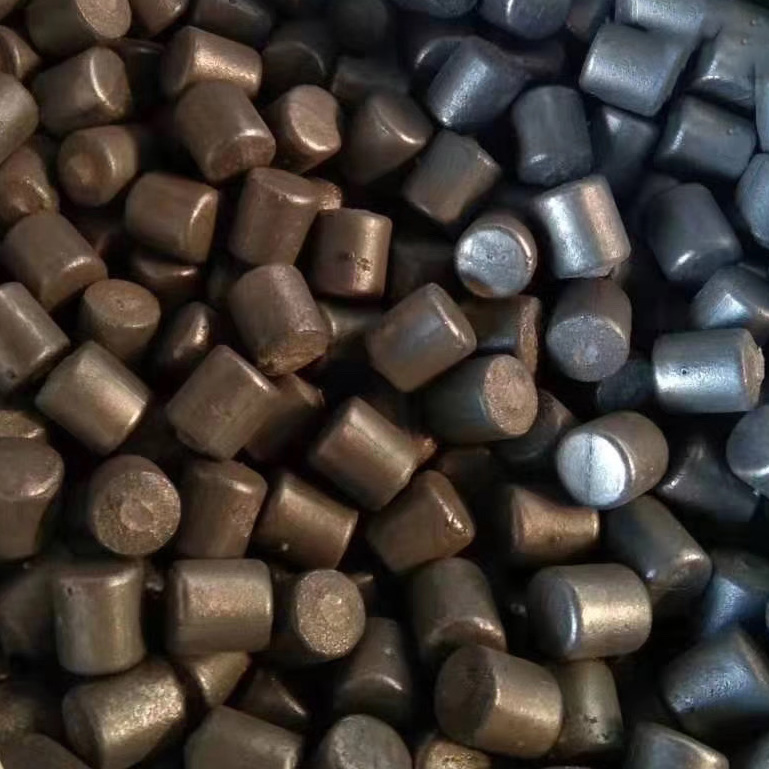
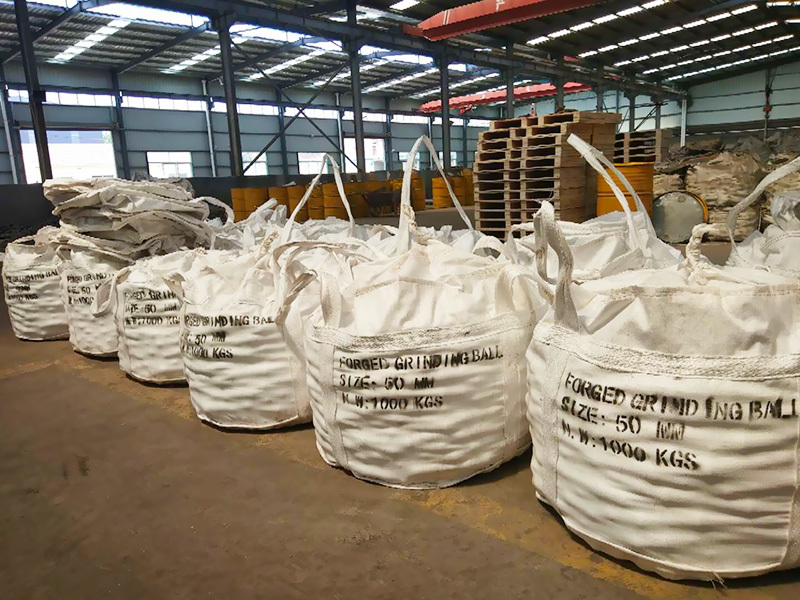
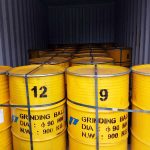
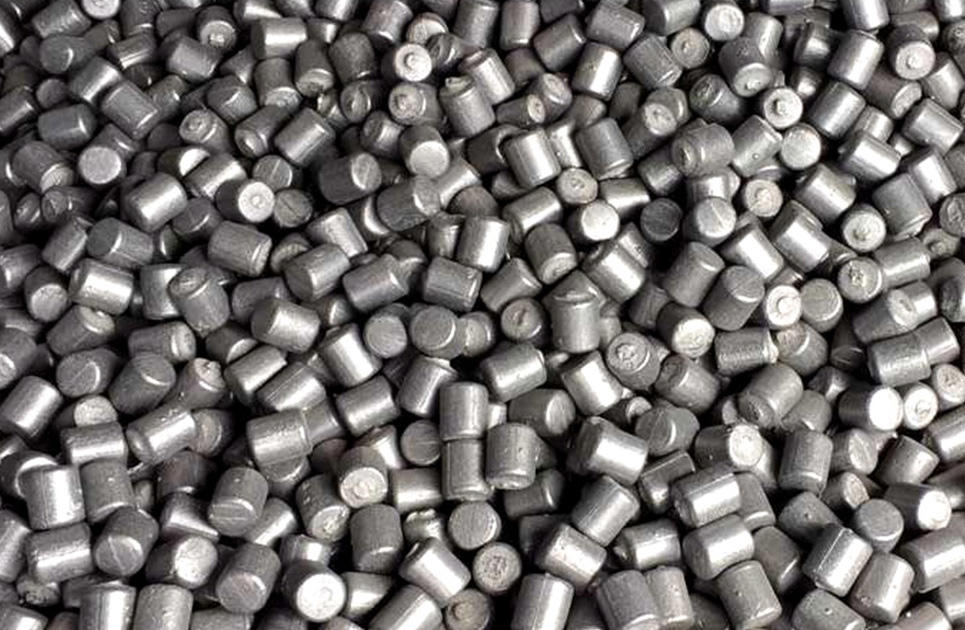
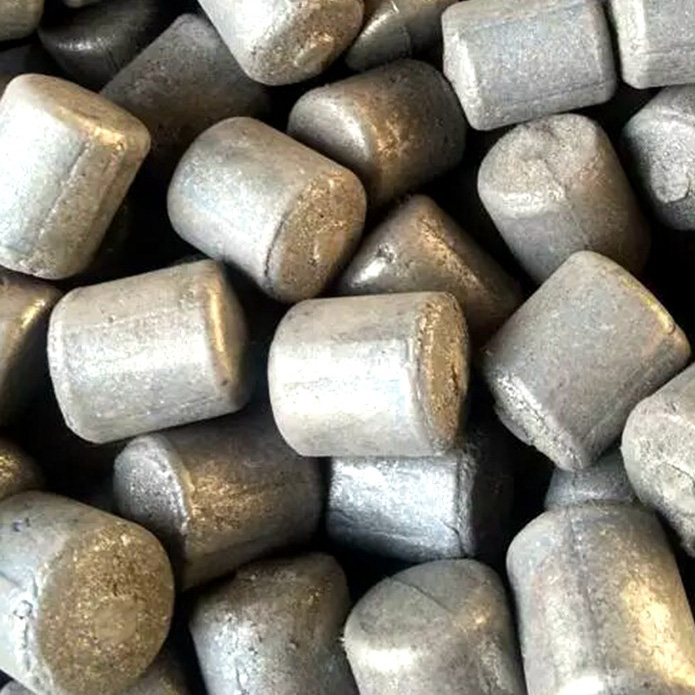
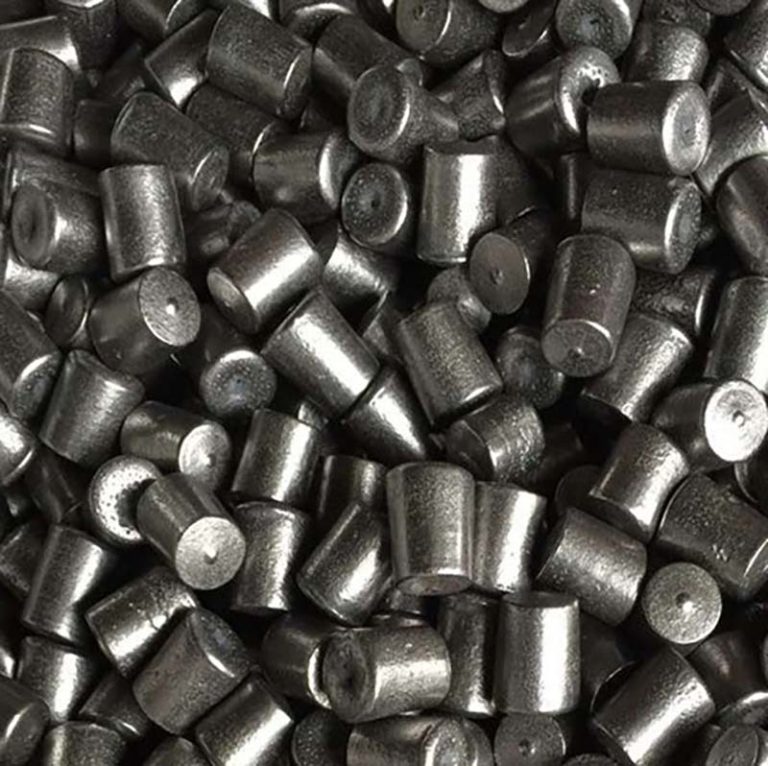
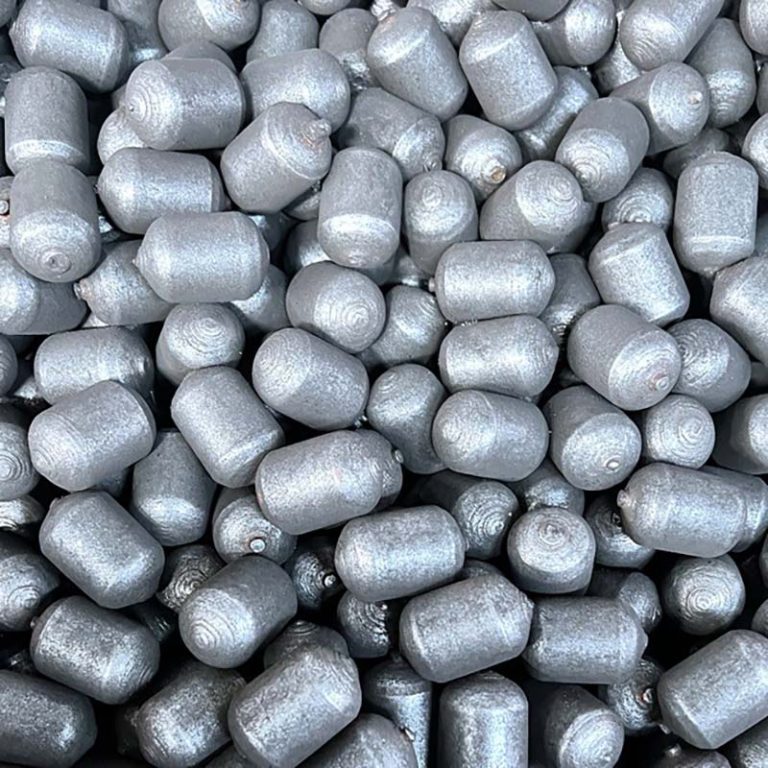
Medium Chrome Alloy Casting Steel Cylpebs ZQCr5



PRODUCT PARAMETERS
Description
Diameter tolerance and Length tolerance
| Diameter(mm) | 8×10 | 10×12 | 12×14 | 14×16 | 16×18 | 18×20 | 20×25 |
| 25×30 | 30×35 | 35×40 | 40×45 | 45×50 | 50×55 | 55×60 | |
| Diameter tolerance(mm) | +1,-1 | ||||||
| Length tolerance(mm) | +2,-2 | ||||||
Technical specification
| Material Gr. | Diameter(mm) | Hardness(HRC) | Breakage rate | Impact value(J/cm²) | Drop times(times) | Micro structure |
| ZQCr5 | 17-150 | >47 | <1% | >2 | ≥10000 | M+C |
Chemical composition
| Material Gr. | Chemical composition(%) | ||||||||
| C | Si | Mn | Cr | Mo | Cu | Ni | P | S | |
| ZQCr5 | 2.1-3.3 | 1.5max | 0.3-1.5 | 4.0-6.0 | 0-1.0 | 0-0.8 | - | ≤0.10 | ≤0.10 |
1. Composition
- Medium Chrome Alloy: Typically contains 5–10% chromium, balancing cost and performance. Carbon content ranges from 1.0–2.5%, with additions of manganese, silicon, and molybdenum to enhance toughness and moderate wear resistance.
- Casting Steel: Produced by pouring molten alloy into molds, followed by controlled heat treatment to refine microstructure.
- Cylpebs: Cylindrical grinding media (25–100 mm in size) with a truncated conical shape, optimizing surface contact in mills compared to spherical balls.
2. Properties
- Hardness: 50–60 HRC (lower than high chrome), due to fewer chromium carbides and a tempered martensitic/bainitic matrix.
- Wear Resistance: Moderate, relying on dispersed carbides (e.g., Cr₃C₂) and matrix hardness. Suitable for less abrasive environments.
- Impact Toughness: Higher than high chrome alloys due to reduced carbide volume and ductile microstructure.
3. Manufacturing Process
- Casting: Molten alloy is poured into molds to form near-net-shape cylpebs.
- Heat Treatment:
- Quenching: Air or oil cooling to form martensite/bainite.
- Tempering: Performed at higher temperatures (compared to high chrome) to enhance toughness and reduce brittleness.
- Finishing: Machined for dimensional precision and surface smoothness.
4. Applications
- Industries:
- Cement production (grinding clinker with moderate abrasiveness).
- Coal pulverization (lower abrasion, higher impact resistance required).
- Non-metallic mineral processing (e.g., limestone, gypsum).
- Advantages:
- Lower upfront cost than high chrome alloys.
- Better impact resistance in mixed abrasion-impact conditions.
5. Performance Comparison with High Chrome Alloys
| Chromium Content | 5–10% | 10–30% |
| Hardness | 50–60 HRC | 58–68 HRC |
| Wear Resistance | Moderate | Superior |
| Impact Toughness | Higher | Lower |
| Cost | Lower initial cost | Higher initial cost |
| Lifespan | Shorter (1–2x vs. low chrome) | Longer (2–3x vs. low chrome) |
1. Definition and Composition
- Medium Chrome Alloy: Typically contains 5–10% chromium, balancing cost and performance. Carbon content ranges from 1.0–2.5%, with additions of manganese, silicon, and molybdenum to enhance toughness and moderate wear resistance.
- Casting Steel: Produced by pouring molten alloy into molds, followed by controlled heat treatment to refine microstructure.
- Cylpebs: Cylindrical grinding media (25–100 mm in size) with a truncated conical shape, optimizing surface contact in mills compared to spherical balls.
2. Properties
- Hardness: 50–60 HRC (lower than high chrome), due to fewer chromium carbides and a tempered martensitic/bainitic matrix.
- Wear Resistance: Moderate, relying on dispersed carbides (e.g., Cr₃C₂) and matrix hardness. Suitable for less abrasive environments.
- Impact Toughness: Higher than high chrome alloys due to reduced carbide volume and ductile microstructure.
3. Manufacturing Process
- Casting: Molten alloy is poured into molds to form near-net-shape cylpebs.
- Heat Treatment:
- Quenching: Air or oil cooling to form martensite/bainite.
- Tempering: Performed at higher temperatures (compared to high chrome) to enhance toughness and reduce brittleness.
- Finishing: Machined for dimensional precision and surface smoothness.
4. Applications
- Industries:
- Cement production (grinding clinker with moderate abrasiveness).
- Coal pulverization (lower abrasion, higher impact resistance required).
- Non-metallic mineral processing (e.g., limestone, gypsum).
- Advantages:
- Lower upfront cost than high chrome alloys.
- Better impact resistance in mixed abrasion-impact conditions.
5. Performance Comparison with High Chrome Alloys
| Chromium Content | 5–10% | 10–30% |
| Hardness | 50–60 HRC | 58–68 HRC |
| Wear Resistance | Moderate | Superior |
| Impact Toughness | Higher | Lower |
| Cost | Lower initial cost | Higher initial cost |
| Lifespan | Shorter (1–2x vs. low chrome) | Longer (2–3x vs. low chrome) |
6. Standards and Quality Control
- Standards:
- ASTM A532 (Class I or II, depending on chromium and carbide content).
- ISO 9001 for quality assurance.
- Testing:
- Hardness testing (Rockwell C).
- Microstructure analysis (carbide distribution, matrix phases).
- Impact testing (Charpy V-notch) to validate toughness.
REQUEST A QUOTE
Contact Info
-
Mobile: +86 155 0650 6266
-
Email: sales@welsteels.com
-
WhatsApp: +86 155 0650 6266
< class="ct-module-title">
Trending now